

001
Restaurants & households
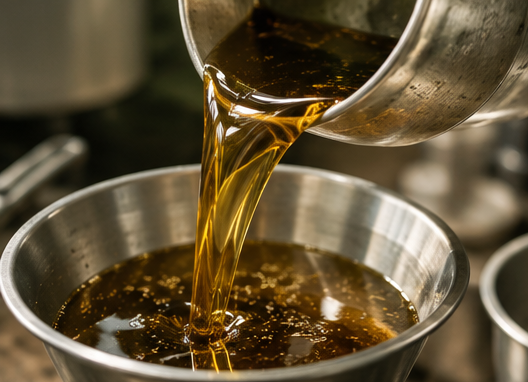
Used cooking oil
Spent vegetable oil from Bacolod kitchens, food businesses, and community partners. The largest feedstock by volume — and the most often dumped down drains.
We collect used cooking oil, spoiled market produce, and chicken fat from local partners and process them into cleaner fuel — while supporting community food programs across Negros.




Spent vegetable oil from Bacolod kitchens, food businesses, and community partners. The largest feedstock by volume — and the most often dumped down drains.
Unsellable vegetables and organic waste from market stalls — a recoverable feedstock for circular processing today and future R&D tomorrow.
Rendered fat from local poultry processing — a high-energy lipid waste stream with renewable-fuel potential, usually discarded.
These shouldn’t end up in drains, landfills, or waterways.
Pickup from restaurants, markets, households, and poultry processors across Bacolod.
Solids and water are removed; free fatty acid content is measured to pick the right reaction path.
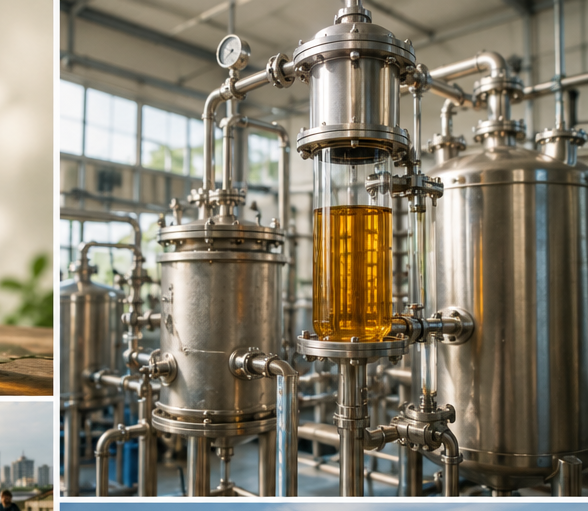
Transesterification — oil reacts with methanol and a catalyst to produce biodiesel and glycerol.
Glycerol is separated, biodiesel is washed, dried, and allowed to settle to a clear amber phase.
Each batch is tested for clarity, water content, and free glycerol before being stored on-site.
Distributed to partners running compatible diesel applications — subject to blend and engine requirements.
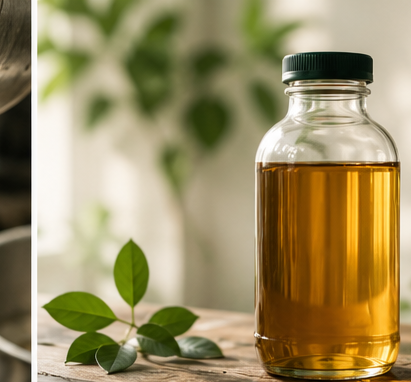
The finished biodiesel is a clear amber renewable fuel made entirely from local waste — used cooking oil, spoiled market produce, and chicken fat from Bacolod partners.
Used as B100 or in a blend for compatible diesel applications, it gives those waste streams a second life as a lower-carbon alternative to imported fossil diesel.
Used oil, spoiled produce, and processor fats stop being a disposal problem and start being a fuel supply — without leaving Negros.
A lower-carbon renewable biodiesel for compatible diesel applications — honestly qualified, never overclaimed.
Collection routes, processing jobs, training, and community food programs that keep value circulating in Bacolod.
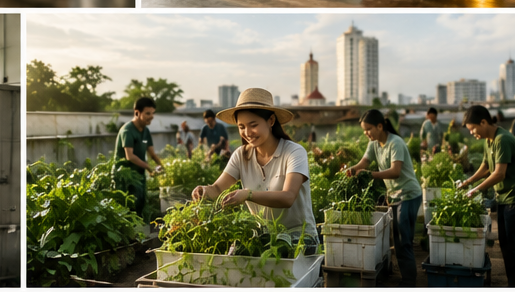
Free seeds and growing know-how distributed across Bacolod. Plant, grow and share — food security at the household level.
Growing systems built from recycled materials — food sovereignty for dense urban spaces.
Through IF Green Technologies — hydroponic and aquaponic systems for urban food security.
Collection across Bacolod City and surrounding villages. Recognised nationally; serving locally.
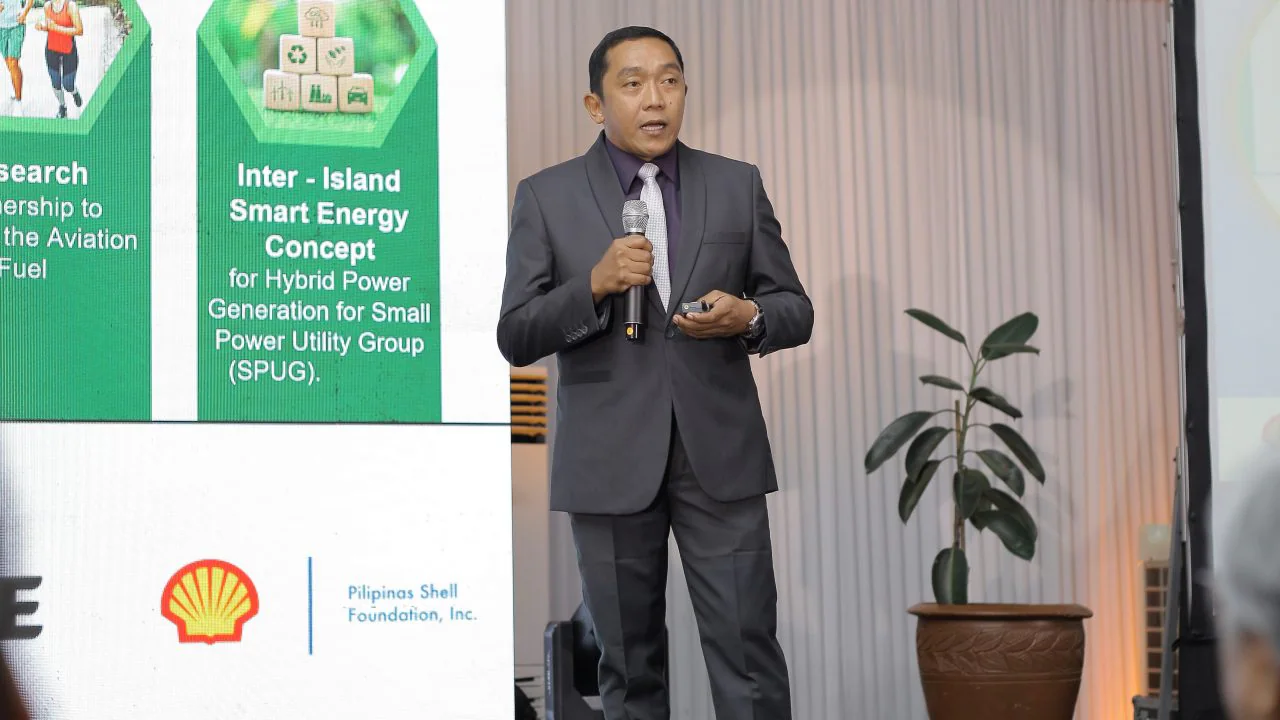
Recognised by the Pilipinas Shell Foundation startup accelerator programme.
Representing Bacolod City and Western Visayas at a national sustainability hackathon.
Active collection routes for used cooking oil, market produce, and chicken fat across Bacolod and surrounding barangays — with community food programs running alongside.
Reserve this card for the next confirmed recognition or programme membership.
We work with the people closest to the waste — the kitchens, markets, and processors of Negros — and the institutions that can scale it up.